Darkhaus: When Space Becomes Narrative
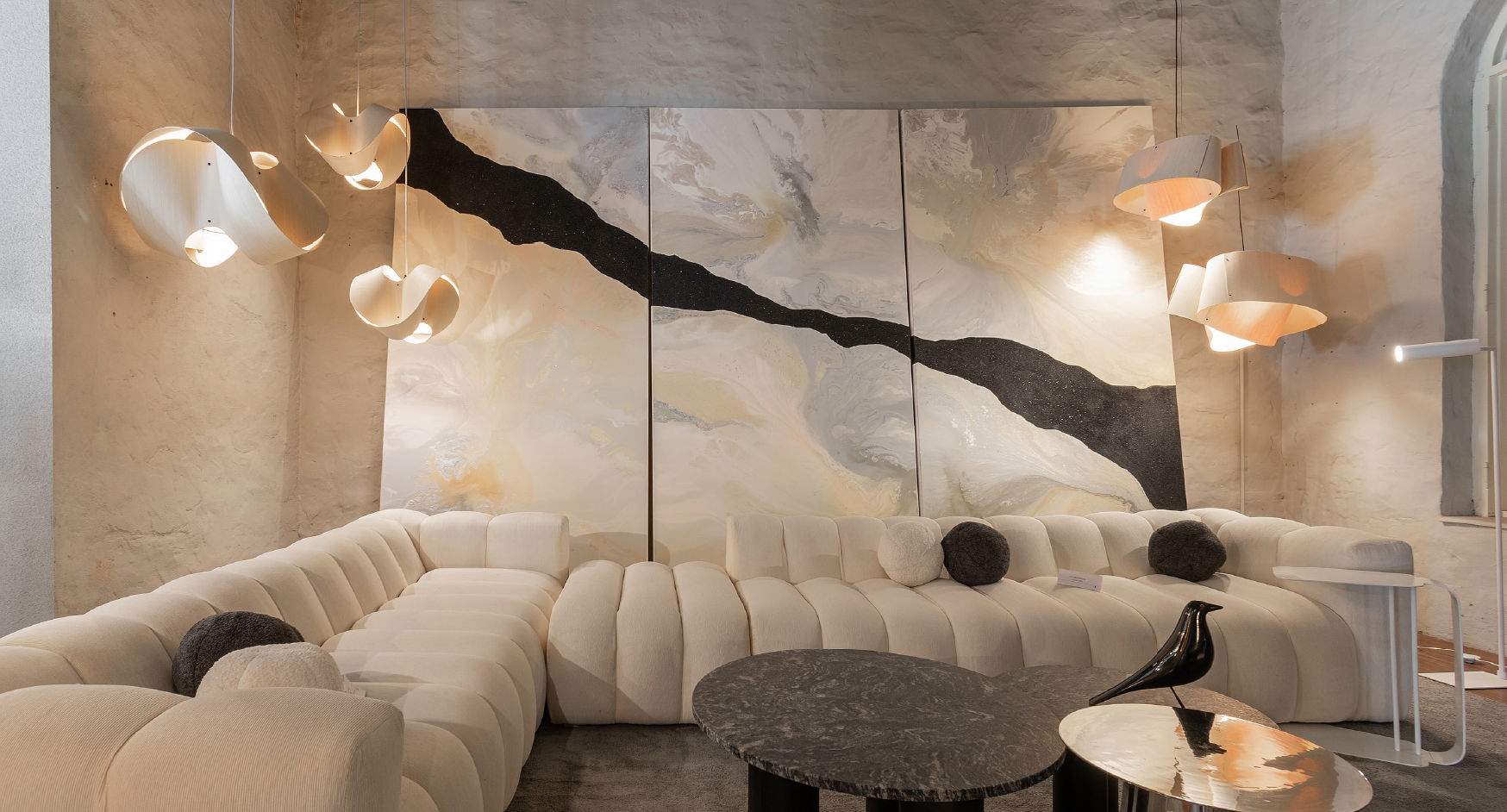
In 2010, in Rosario,an Argentine city on the Parana River ,at a time when author design in Argentina was just beginning to gain visibility and there were still few spaces dedicated to exhibiting it, Darkhaus was Founded. From the beginning, the project was not conceived as a simple design store, but as a gallery where art, furniture, design objects, and lighting could coexist within the same scene.
That founding gesture defined its identity. At Darkhaus, pieces are never presented as isolated objects, but as part of a spatial narrative where art and design coexist within the same environment. The same sensibility carries into the studio’s interior projects, where furniture, architecture, and lighting are conceived together.
Over the past fifteen years, Darkhaus has consolidated a multidisciplinary approach that understands space as a complete experience. Curation runs through the entire process, from architecture to the final selection of each object.
For Silvia Cagnone, design has never been merely a formal exercise, but a way of constructing experiences in which art, architecture, and objects converge within a single narrative. As director of Darkhaus, her vision has guided the studio from the beginning, shaping a language where curation, materiality, and atmosphere take center stage.
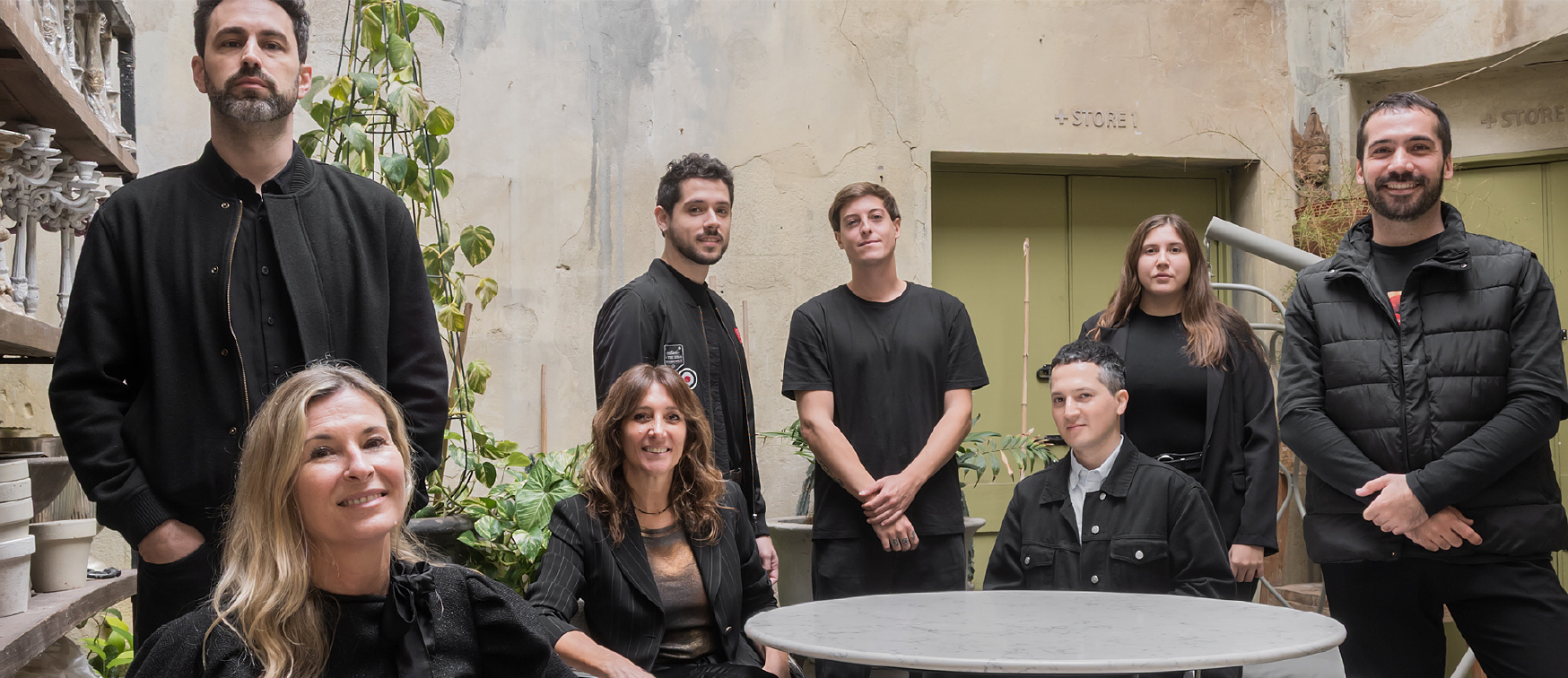
“In our projects, we seek to connect the client with the space and its architecture. We aim to create environments that feel warm, personal, and human. Through a balanced approach to lighting design, we shape different scenarios within the same space, creating intimate atmospheres,” explains Silvia Cagnone.
For Darkhaus, design begins with the client , but it does not end there. Context, atmosphere, and materiality enter the equation, ultimately shaping each project.
Silvia Cagnone puts it simple:
“We have evolved, but we have never strayed from our path. We create a dialogue between art, design, and architecture. It begins with the client, but other actors come into play: the space, the atmosphere, and the materials.”
Light plays a central role within this balance. More than a technical resource, it operates as a narrative tool, one that accompanies architecture and gives form to atmosphere. From family homes to public spaces and double-height interiors, lighting enables the creation of multiple scenes within a single environment.
On the choice of luminaires, Silvia adds:
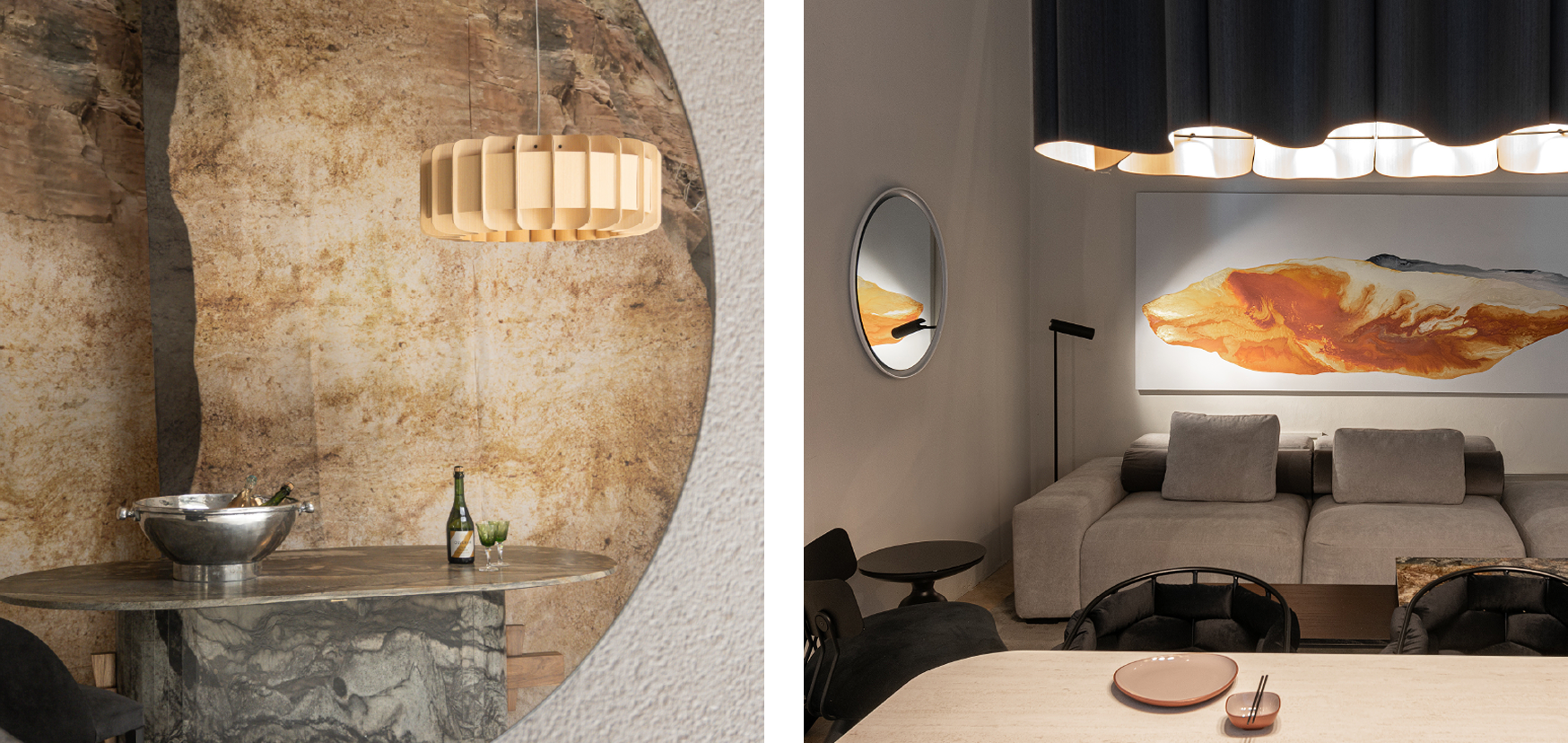
“Weplight pieces are so versatile that in every project we discover a distinct identity. The selection unfolds organically and fluidly.”
Within the Darkhaus universe, luminaires are not conceived merely as technical elements; they assume the presence of a piece within the scene.
For Silvia Cagnone, their role within a project extends beyond function:
“They have a strong presence. They are not just lighting objects: their curved, architectural forms and the treatment of the wood turn them into pieces with character and definition.”
This condition, situated somewhere between architecture and sculpture,resonates with the studio’s language, where curves, warmth, and noble materials prevail. The possibility of combining colors and adapting each piece to its context reinforces the idea of a singular object within a broader narrative.
Oniria: A Contemporary Mythology
To see the Darkhaus vision materialized, one only needs to immerse oneself in one of its collections. These emerge from multiple sources of inspiration: books, artworks, films. Yet speaking about the origin of Oniria, one of Darkhaus’ exhibitions, Silvia Cagnone explains:
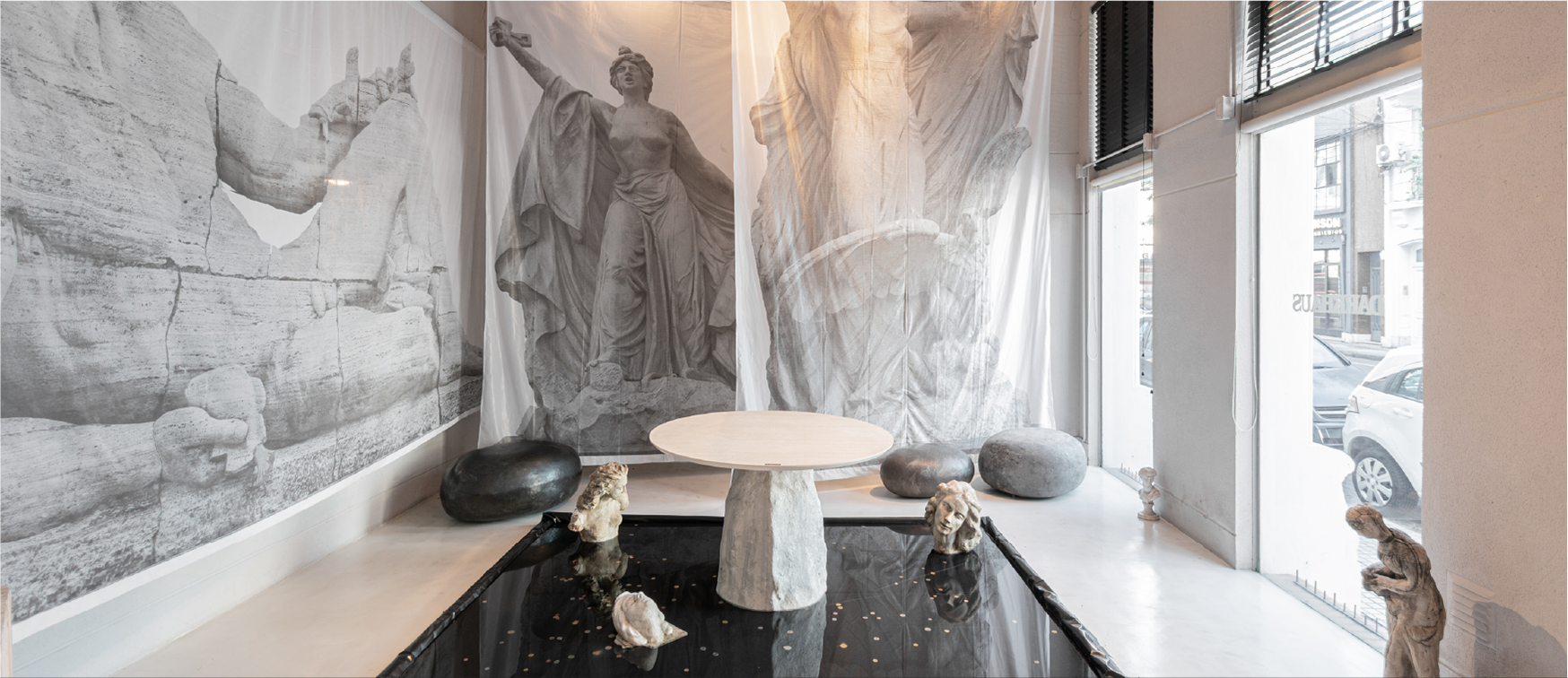
“In Oniria, our search takes shape in an imaginary city that emerges from the Paraná River.”
A riverside city where the National Flag Memorial, the sculptures of Lola Mora, local flora and fauna, and the travertine marble embedded in Rosario’s landscape coexist. Each element is reinterpreted through a surreal lens, forming a new mythology of the river.
In this collection, what connects the pieces is not only their form, but the concept that sustains them. Each element belongs to the same narrative universe where object, art, and space intertwine.
In that intersection, lighting completes the experience, accompanying the project’s curatorial vision from architecture to the final scene. As Silvia concludes:
“Weplight completes the concept. It is a tool rich in possibilities.”
The Space Expands
Today, Darkhaus continues to expand its creative universe through new projects and scenarios where art, design, and architecture converge once again. A practice that understands space as a living territory not designed merely to be seen, but to be inhabited, explored, and experienced. Within that process, light does not appear as a complement, but as a final gesture that ultimately reveals the character of the space.


